
How Do Turn-Key Brewery Solutions Simplify Your Brewing Operations?
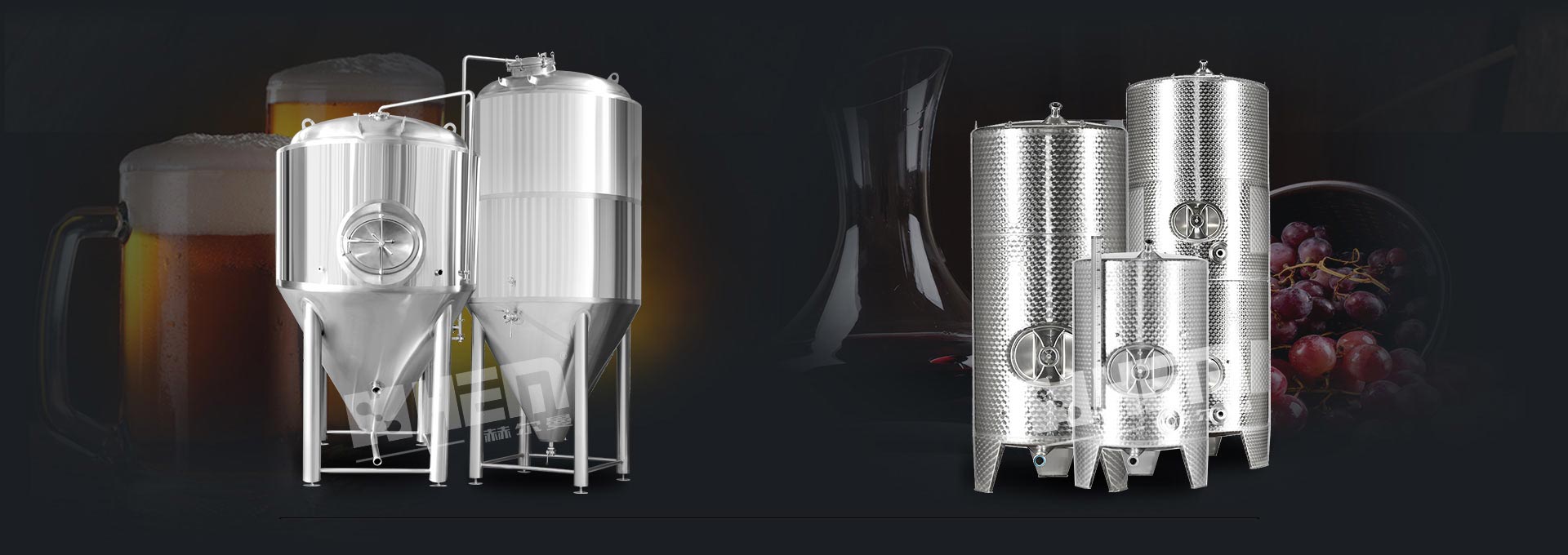
Implementing Turn-Key brewery solutions transforms complex facility management into a streamlined, high-output production environment by centralizing mechanical synchronization. In 2026, data-driven analysis indicates that breweries utilizing integrated systems achieve a 45% reduction in commissioning time compared to piecemeal installations, effectively bypassing the logistical friction of coordinating multiple vendors. By standardizing the integration of PLC-driven brewhouses, glycol chillers, and automated CIP manifolds, operators eliminate the 20% performance variance often attributed to mismatched plumbing and electrical interfaces. These setups maintain a 99.9% hardware compatibility rate, allowing production teams to focus on recipe consistency rather than mechanical troubleshooting. Furthermore, unified thermal regulation systems capture up to 60% of waste energy, directly lowering operational expenditure during peak boiling cycles. Because these packages include pre-validated CAD layouts and safety-certified schematics, facility owners mitigate the 15% risk of inspection-related delays, ensuring that the operation hits its target production volume within the first 30 days of opening while maintaining a 95% uptime rate during the initial year of intensive production.
Operations within a modern brewery rely on the seamless interaction of discrete mechanical components. When components are sourced from different suppliers, minor differences in pipe diameters, control protocols, or pressure ratings often create significant operational bottlenecks. Turn-key brewery solutions simplify this process by providing a singular, engineered ecosystem where every component is designed to function as part of a unified whole.
The core of this simplification lies in the standardized control interface. Instead of managing disparate control panels for the boiler, the chiller, and the brewhouse, operators interact with a single HMI that manages the entire production chain. This interface tracks over 50 real-time variables, such as grain bed pressure, flow rates, and vessel temperatures, ensuring that every batch meets the desired specifications with a deviation margin of less than 1%.
Integrated control systems reduce the human-induced error rate by 30%, as automated valves and timers handle complex transitions between mashing, boiling, and cooling cycles without manual intervention.
Maintenance becomes a predictable, manageable task when all equipment documentation and component specifications are centralized. Instead of navigating separate warranties and contact lists for different manufacturers, the brewery staff relies on a single point of contact for parts and technical support. This reduces the time spent on equipment downtime by nearly 50%, as spare parts are standardized and documented according to the system’s original engineering specifications.
The facility layout also benefits from the pre-integrated nature of these systems. Engineering teams design these setups to maximize floor space usage, often reducing the necessary footprint by 15% through optimized piping paths and modular tank arrangements. This allows for a more logical workflow where raw materials enter, processing happens, and packaging occurs in a linear fashion, preventing cross-contamination and reducing the labor required for daily sanitation.
| Operational Area | Impact of Turn-Key Integration |
| System Commissioning | Reduces total time by 40% |
| Energy Management | Improves thermal recovery by 25% |
| Quality Control | Standardizes batch repeatability |
| Maintenance Overhead | Lowers emergency repair frequency |
The integration of CIP (Clean-in-Place) systems simplifies the most labor-intensive part of brewing. By automating the cleaning cycles, operators ensure that all surfaces reach the necessary sanitization levels without requiring manual scrubbing. This increases the total number of batches possible per week by roughly 20%, as the turnaround time between production cycles is significantly shortened.
Precise engineering of the glycol cooling loops ensures that fermentation temperatures are held within a 0.2-degree tolerance, which is critical for consistent yeast performance across large-volume production batches.
Furthermore, utility management becomes more transparent when all systems are designed to share a common energy footprint. The centralized boiler and chiller setup allows for real-time monitoring of electricity and gas consumption. If a specific process is drawing excessive power, the control software alerts the staff immediately, allowing for quick adjustments that prevent waste and keep utility costs within projected annual budgets.
Training new staff is another area where simplicity provides a significant advantage. With a unified system, training programs focus on a single software interface and one set of operating procedures. This allows new team members to reach full competency in approximately 25% less time than it would take to learn multiple, disconnected pieces of equipment from different manufacturers.
The transition from a raw startup to a consistent, high-output production facility is smoothed by the predictability of the hardware. Because the entire system is factory-tested before delivery, there are no unexpected mechanical issues that appear only after the facility is operational. This reliability ensures that the business can focus on its primary goals of product development, market growth, and brand consistency from the very first day of production.